




ABOUT
At the intersection of Eurasian coordinates, the intellectual rigor of the Parisian Seine meets the pulse of Taiwan. This collaboration between KCCA and Semiose serves as an annual dialogue, gathering artists to explore the mechanics of time, image, and perception. By intentionally decelerating the act of looking, the exhibition focuses on the "interstices" of the everyday—those subtle realities revealed only in the quiet tension between light and shadow.
The Generation of Looking: Reconfiguring Image and Surface
Contemporary vision is dominated by digital logic and rapid consumption. The artists in the first-floor gallery interrupt this inertia of looking, forcing a confrontation with the "surface" of the image.
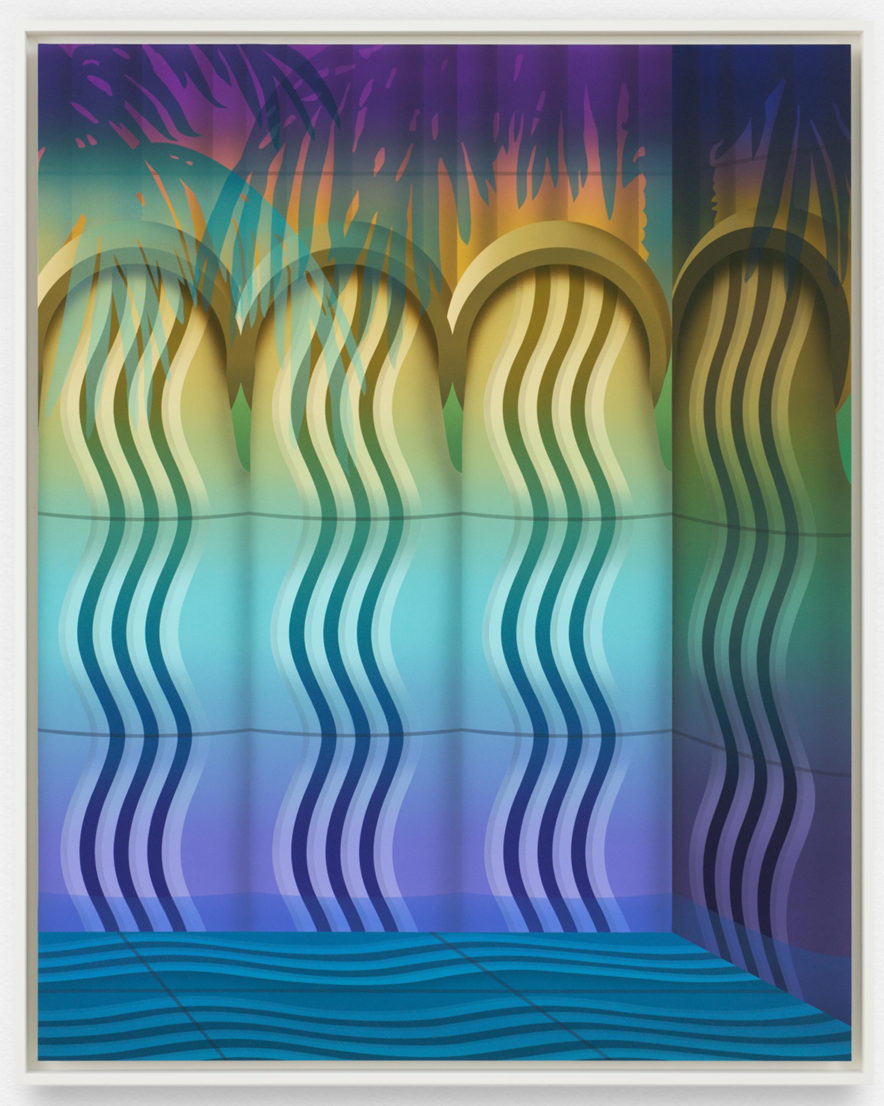
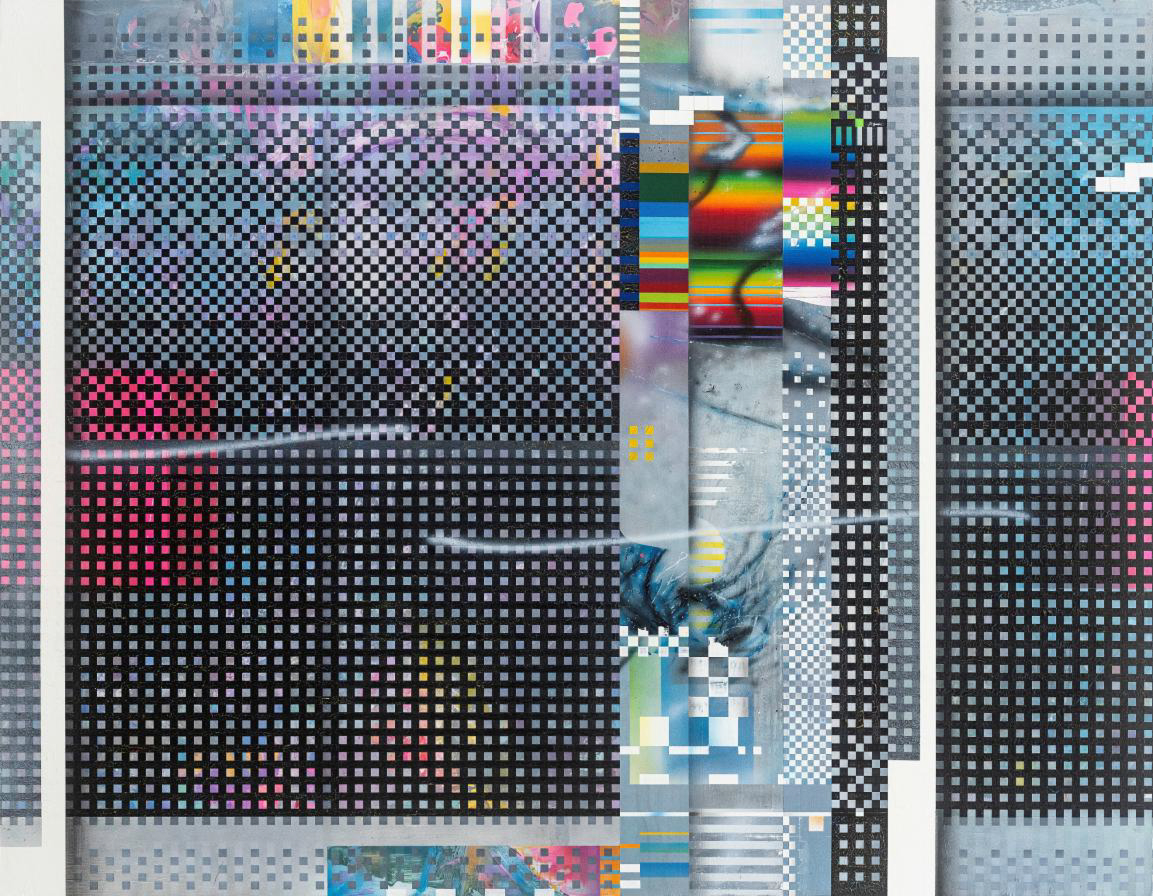
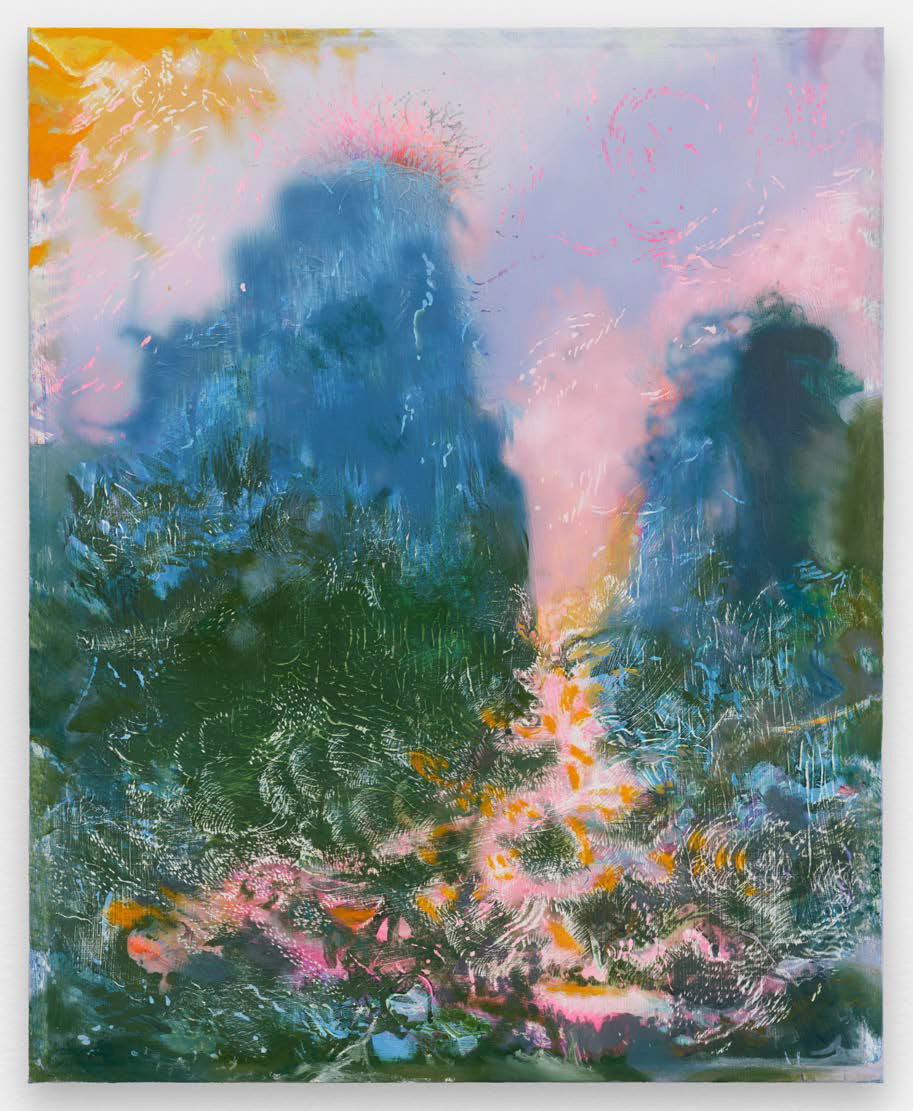
Yu Chih-Han explores the mechanics of image generation by inverting digital immediacy. Through layers of painting and masking, she translates digital systems into a sensitive visual language, turning the canvas into a site of technical dialogue. In contrast, Amélie Bertrand's work emphasizes the "closure" of the image. Her artificial, high-tension surfaces—composed of industrial textures and tiles—obstruct the gaze. Vision is forced to remain on the smooth epidermis of the work, mirroring the impenetrable nature of contemporary digital reality. Facing this visual overload, Lin Ying-Hsuan uses geometric order to seek clarity. Through a logic of subtraction, his meticulous hard-edge compositions and complementary color palettes offer the viewer a rare space to breathe within pure structure.
Boundaries of the Body: The Tension of Being
At its core lies the most fundamental — and perhaps the most weighty — subject of all: humanity itself.
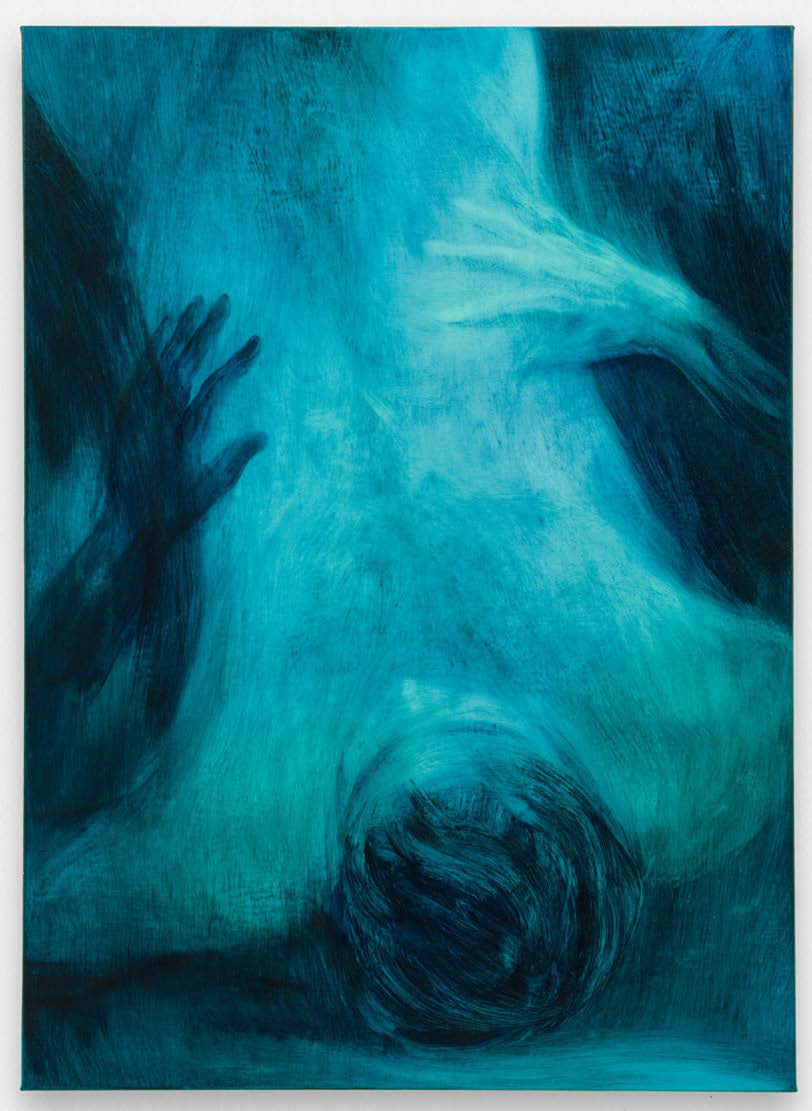
Xie Lei's work focuses on the liminal state between sleep and death. His dark, surging palette resists the "immediacy" of modern life, compelling a slower perception of energy and time. Laurent Proux challenges the dichotomy of figuration and abstraction, juxtaposing industrial machinery with fragmented bodies. His works serve as intellectual puzzles that demand an "excavation" of the fragility inherent in political and violent structures.
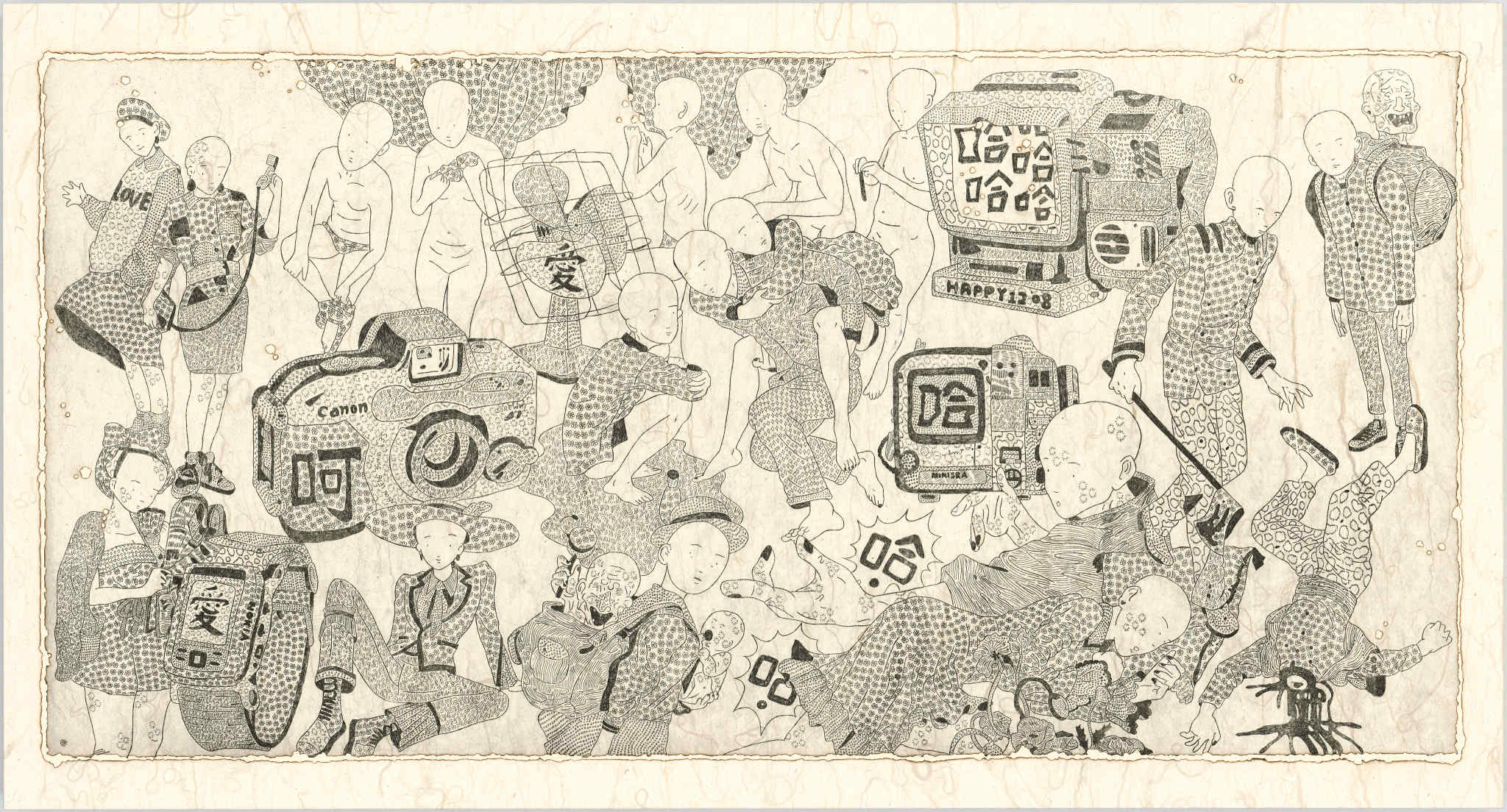
This dissection of humanity finds a sharp counterpart in Weng Jhen-Ling, who uses copperplate etching and incense burning to observe the absurdity of the inner self. Her "hunched" figures symbolize the blind masses and the cyclical nature of history. Finally, Hu Shian-Wen's Time Slices captures the trajectory of life between existence and disappearance. His work acts as a philosophical meditation, salvaging fragments from the irreversible river of time to shape a deeper understanding of the self.
Traces of Time: Lingering Within Flux
Here, the perspective shifts toward the heterogeneity of time, resisting the linear efficiency of modern society to uncover the "folds" within temporal experience.
Chih Yi-Long redefines printmaking as a methodology for labor and social reflection. By expanding the concept of the "plate" into an invisible social structure, his work becomes an uncovering of hidden orders. Chen Li-Yen focuses on the weight of existence through neglected traces. By depicting bird feathers while obscuring the birds themselves, she detaches life from narrative, forcing the gaze to stay within the "unnamed moment."
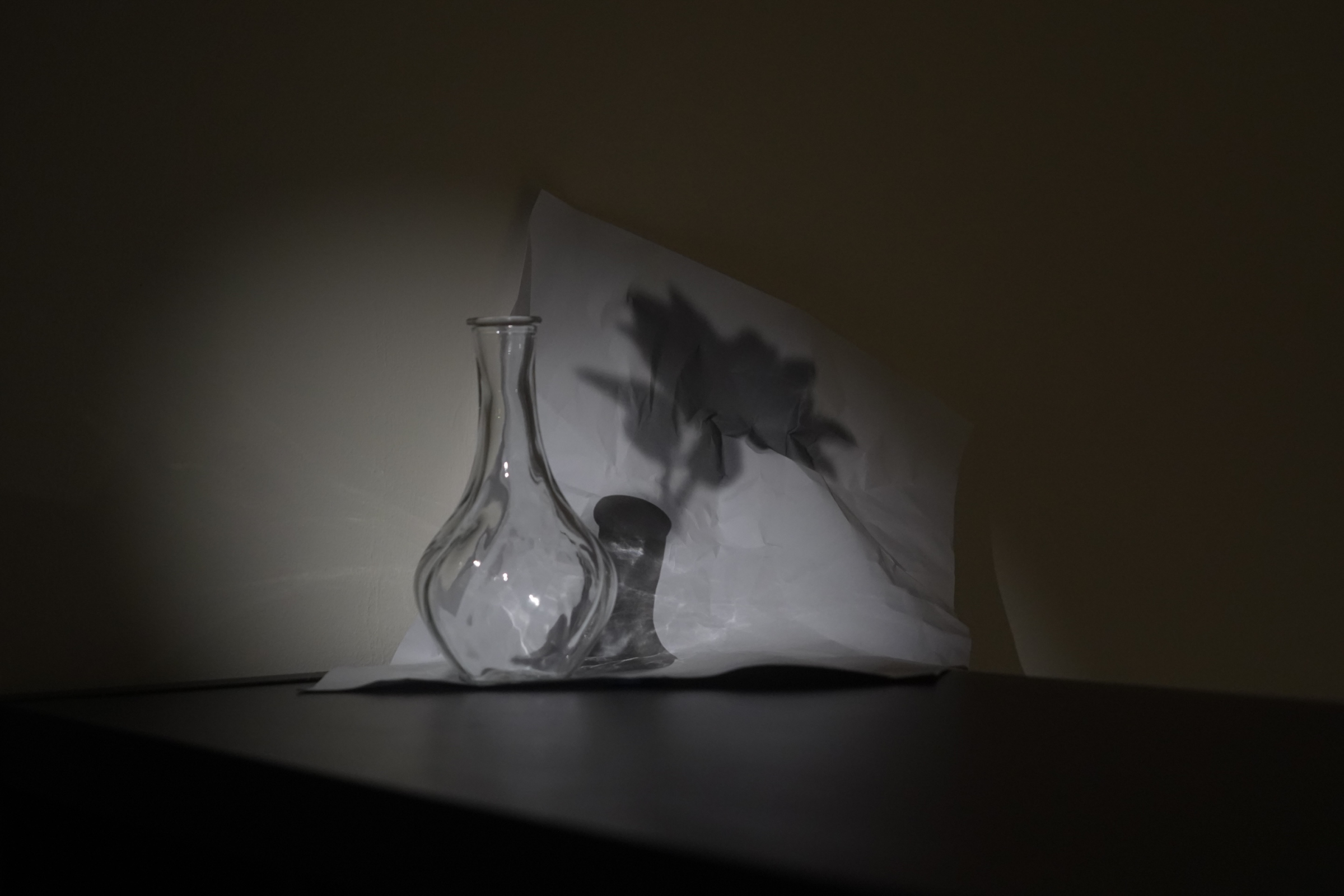
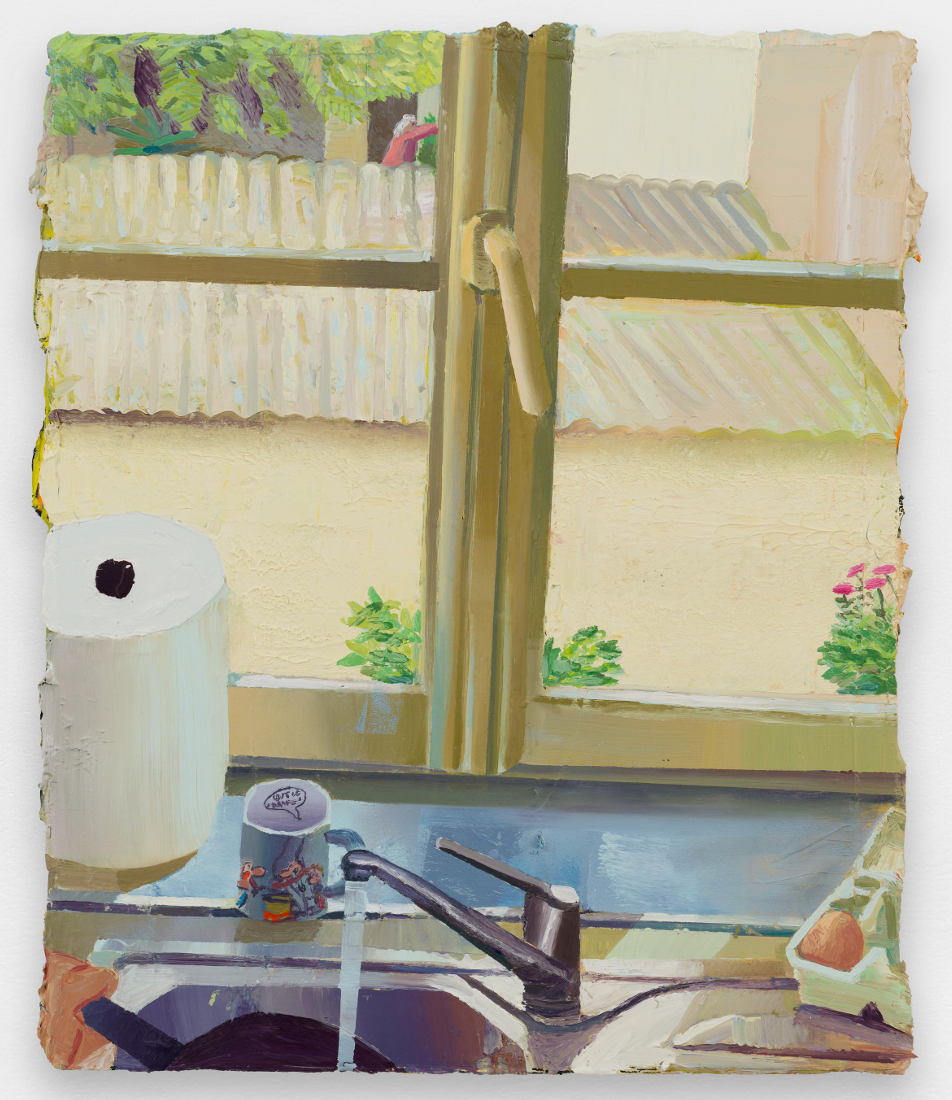
Julien Tiberi approaches time through the lens of quantum entanglement, rejecting single-axis narratives for a network of shifting relations where states coexist simultaneously. Similarly, Mathieu Cherkit's interior scenes transform the everyday into a state of sedimentation. His heavy brushstrokes and repetitive compositions give mundane spaces a historicized weight, exuding the pressure of accumulated time.
Glimmers Through the Interstices does not offer a single path or a definitive answer. It is an open field where disparate cultures and perceptions converge. As our world becomes increasingly saturated with information, this exhibition asks: do we still reserve space for the unmapped? Step into the flow, slow your rhythm, and find your own mode of perception within the gaps.